


Jason Momoa’s Chief of War Is a Love Letter (and Battle Cry) for Hawaii
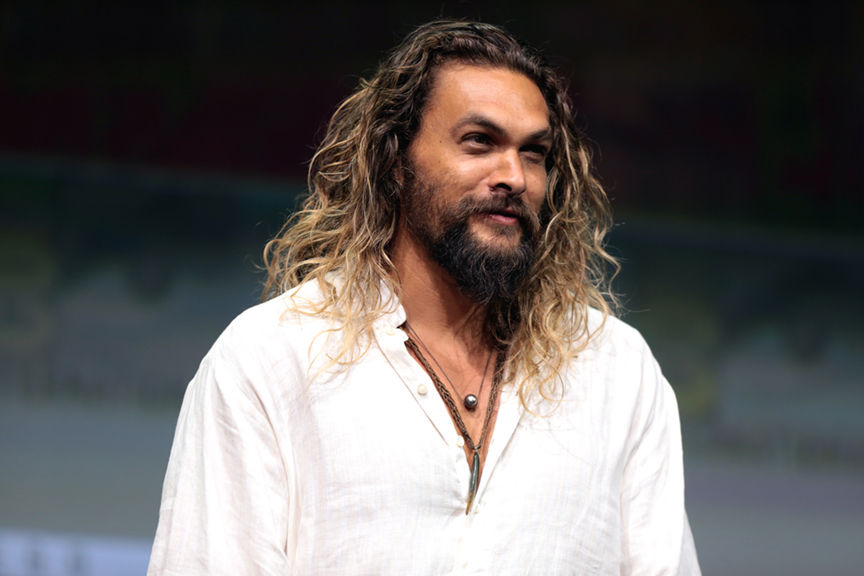
Jason Momoa has gone full circle. He’s still the Aquaman and the Fremen warrior, sure, but this summer, he came home to Oʻahu for something far deeper: the world premiere of his most personal project to date, Chief of War.
Streaming on Apple TV+ starting August 1, the series is an epic in every sense. Sweeping, violent, beautiful. But it’s also rooted in a long-overlooked truth. “We have our own stories to tell,” Momoa told The New York Times. And Chief of Waris him finally telling one that Hollywood never has: a Native Hawaiian story, made by Native Hawaiians, about Native Hawaiians.
The nine-episode series focuses on Kaʻiana, an 18th-century Hawaiian chief and warrior who fought and navigated the volatile unification of the islands under King Kamehameha I—while also witnessing the early shadow of colonial incursion. As NBC News noted, this is one of the first times a major series has treated Hawaiian history not as exotic scenery, but as the main narrative.
But for Momoa, it wasn’t just storytelling. It was personal. As The New York Times reported, while preparing for the role, he discovered that he shares a family name and likely ancestry with a brother of Kaʻiana. Suddenly, the project wasn’t just about honoring the past so much as it was a part of it. “We did it for Hawaii,” he said. And then he added what felt like both a warning and a vow: “If we [expletive] up, we’re not coming home, and this is my home.”
Momoa created and wrote the series with longtime collaborator Thomas Paʻa Sibbett and even directed the season’s tumultuous finale. Every detail, from the language to the choreography of the battles, was steeped in cultural consultation and intention. It wasn’t just about representation. It was about getting it right.
The emotional weight of the series also arrives during a cultural moment when Native and AAPI voices are reshaping how their histories are portrayed onscreen. Projects like Reservation Dogs or Moana cracked the mainstream, but Chief of War feels like a breakthrough in its rawness and ownership. “Very few Hollywood stories set in Hawaii have actually centered on Native Hawaiians,” the Times noted. Momoa wanted to change that.
Oh, and if you’re wondering why he shaved off his beard recently? That was for Dune: Messiah, where he returns as Stilgar. The Instagram video of the moment went viral, with fans gasping and speculating. But in context, it fits. Momoa’s always transforming: from blockbuster star to cultural custodian, from superhero to storyteller of his own people.
With Chief of War, he’s not just showing a different side of Hawaii. He’s inviting the world to see it through Hawaiian eyes. And he’s making sure no one ever forgets that these stories—his stories—were always there, just waiting to be told.
Photo by Gage Skidmore/Wikimedia Commons


Comments